Getting braces is a big decision. With so many dental clinics offering braces today, it can be difficult to know where to start. You may see advertisements promising fast results, affordable prices, or advanced treatment options. While these factors are important, they should not be the only things you consider when choosing a provider.
The reality is that braces treatment usually lasts between one and three years. During that time, you’ll attend multiple appointments, receive adjustments, and rely on your dental professional for guidance and support.
This blog post will help you understand what to look for when choosing a dentist for braces, the questions you should ask, and the factors that can help you make a confident and informed decision.
Key Takeaways
- Knowing the difference between a general dentist and an orthodontist can help you choose the most appropriate provider for your needs.
- Patient reviews and before-and-after photos can provide valuable insight into treatment quality and patient satisfaction.
- Clear communication and personalized care are essential for a positive braces experience.
- Knowing the treatment costs, insurance coverage, and payment options helps you plan financially and avoid surprises.
- Choosing a provider you trust and feel comfortable with can make your orthodontic journey smoother, more enjoyable, and more successful.
7 Easy Steps to Help You Choose a Dentist for Braces
Before beginning your search, it’s important to know the difference between a general dentist and an orthodontist.
A general dentist focuses on overall oral health. They diagnose and treat common dental issues such as cavities, gum disease, and tooth decay. Some dentists also offer orthodontic treatments like braces and clear aligners.
An orthodontist is a dental specialist who receives additional training focused specifically on correcting teeth alignment and bite problems. For mild alignment issues, some dentists may provide suitable treatment. However, for more complex cases involving significant crowding, bite problems, or jaw alignment issues, an orthodontist may be the better option.
Knowing these differences can help you choose the most appropriate professional for your needs.
1. Look for Relevant Experience
Experience matters when it comes to braces treatment. A dental professional who regularly treats orthodontic cases is more likely to recognize potential challenges and develop effective treatment plans. Experience often contributes to better decision-making and smoother treatment outcomes.
When researching providers, ask how many braces patients they treat each year. Find out how long they have been offering orthodontic services and whether they have experience handling cases similar to yours. The more experience a provider has with brace treatment, the more confidence you can have in their ability to guide you through the process.
2. Check Qualifications and Credentials
One of the most important steps when choosing a dentist for braces is verifying their qualifications. Take time to review their education, certifications, professional memberships, and specialized training. Most reputable dental clinics proudly display these credentials on their websites or in their offices.
If you’re considering an orthodontist, confirm that they have completed accredited orthodontic training programs. Qualifications alone do not guarantee excellent treatment, but they provide reassurance that the provider has received the necessary education and training.
3. Read Patient Reviews
Patient reviews can provide valuable insight into what you can expect from a dental clinic. Reviews often reveal information about communication, professionalism, appointment scheduling, office cleanliness, treatment quality, and overall patient satisfaction.
Pay attention to patterns rather than focusing on a single review. Consistent positive feedback can indicate a reliable provider. Look for comments from patients who have completed braces treatment. Their experiences may help you better understand the clinic’s strengths and weaknesses. Reviews can help you make a more informed decision before scheduling a consultation.
4. Ask to See Before-and-After Photos
One of the best ways to evaluate a provider’s orthodontic work is by reviewing before-and-after photos of previous patients. These images can demonstrate the provider’s ability to handle different alignment issues and achieve successful results.
Look for cases that resemble your own dental concerns. This can help you visualize what may be possible with your treatment. Before-and-after photos often provide more meaningful evidence than marketing claims alone.
5. Schedule a Consultation
A consultation allows you to meet the provider and evaluate whether they are the right fit. During the consultation, pay attention to how the dentist or orthodontist communicates. Do they listen carefully? Do they answer questions clearly? Do they explain treatment options in an easy-to-understand way?
A good provider should make you feel comfortable and informed rather than pressured into making a decision. The consultation is also an opportunity to discuss treatment goals, expected timelines, and potential challenges.
6. Consider the Types of Braces Offered
Different patients have different needs and preferences. Some providers offer traditional metal braces, while others provide ceramic braces, lingual braces, or clear aligners.
Having multiple treatment options allows you to choose a solution that fits your lifestyle, budget, and cosmetic preferences. A provider who offers various options can help you compare the advantages and disadvantages of each treatment method. The best treatment is not always the newest or most expensive option. It is the one that best meets your specific needs.
7. Assess the Technology Used
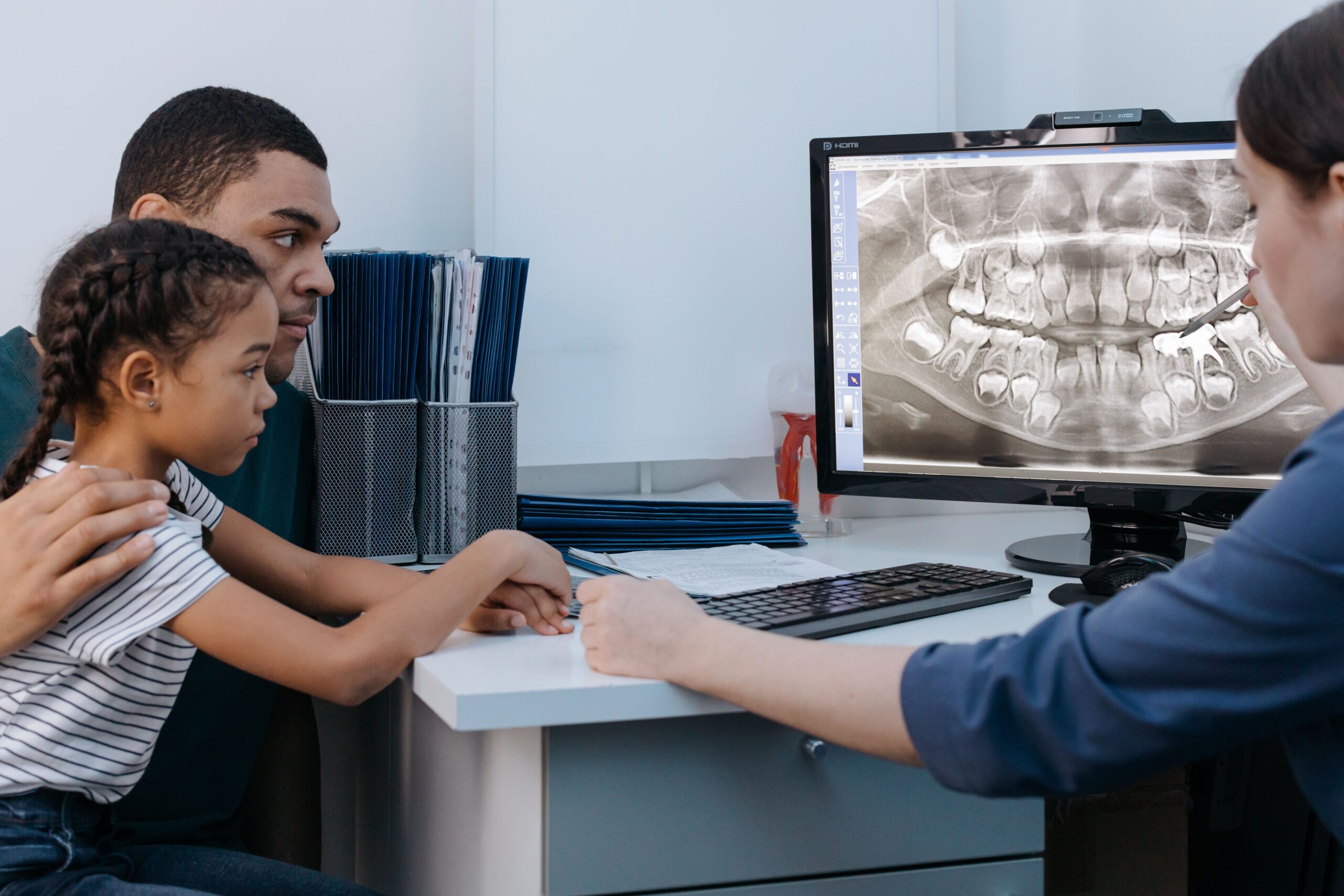
Modern dental technology can improve both diagnosis and treatment planning. Many dental clinics now use digital scanners, 3D imaging, digital X-rays, and advanced treatment planning software.
These technologies can increase accuracy, improve comfort, and help providers develop more precise treatment plans. While advanced technology alone does not guarantee success, it can contribute to a better patient experience and more efficient treatment.
8. Understand the Treatment Plan
A quality provider should present a clear and personalized treatment plan. This plan should explain your dental issues, recommended treatment, expected timeline, appointment schedule, and estimated outcomes.
Avoid providers who offer vague explanations or promise unrealistic results. Every patient’s situation is unique, and treatment plans should reflect individual needs rather than a one-size-fits-all approach. Knowing the plan helps you feel more confident about your decision.
9. Discuss Costs and Payment Options
Braces can be a significant financial investment. Before starting treatment, make sure you understand all associated costs. Ask for a detailed breakdown of fees and determine what is included in the quoted price.
Some providers offer payment plans that make treatment more affordable over time. You should also ask whether consultations, emergency visits, retainers, and follow-up appointments are included. Transparency regarding costs helps prevent unexpected financial surprises later.
10. Check Insurance Coverage
If you have dental insurance, verify whether braces treatment is covered. Some insurance plans provide orthodontic benefits for children, while others may also cover adults. Ask the clinic if they accept your insurance and whether they can help process claims. Knowing your coverage in advance can help you budget more effectively.
11. Evaluate the Clinic Environment
The clinic environment can influence your overall experience. A clean, organized, and welcoming office often reflects a commitment to professionalism and patient care. Observe how staff members interact with patients. Are they friendly, respectful, and helpful?
A positive atmosphere can make appointments more comfortable, especially for younger patients who may feel nervous about treatment. The people you’ll interact with regularly should make you feel supported throughout your braces journey.
12. Consider Location and Convenience
Braces treatment involves regular visits over many months or years. Choosing a clinic that is conveniently located can make attending appointments much easier.
Consider travel time, parking availability, office hours, and appointment flexibility. A provider located near your home, school, or workplace may reduce stress and improve treatment compliance. Convenience becomes especially important when dealing with unexpected adjustments or emergency visits.
13. Look for Personalized Care
Every smile is different. The best providers take time to understand each patient’s goals, concerns, and circumstances. Personalized care means developing treatment plans based on individual needs rather than applying the same approach to everyone.
A provider who listens carefully and tailors treatment accordingly is more likely to deliver a positive experience. Patients often achieve better outcomes when they feel actively involved in the treatment process.
Get the Right Braces With QuickDentistFinder
Searching for a trusted dentist or orthodontic professional can feel overwhelming. QuickDentistFinder helps simplify the process by connecting patients with qualified dental professionals who offer braces and orthodontic services. Whether you’re looking for experience, convenience, or treatment options, finding the right provider starts with having the right information.
Visit QuickDentistFinder today and take the first step toward finding a trusted braces provider who can help you achieve a healthier, more confident smile.
Conclusion
Choosing a dentist for braces is about much more than finding the lowest price or the nearest clinic. It involves evaluating qualifications, experience, communication skills, treatment options, technology, patient reviews, and overall comfort. Since braces treatment is a long-term process, selecting the right provider can significantly impact both your experience and your final results.
By taking the time to research your options, schedule consultations, ask questions, and compare providers, you can make a confident decision that supports your oral health goals. The right professional will not only help straighten your teeth but also guide you through every stage of the journey with expertise and care.
Start your search today, ask the right questions, and choose a braces provider who makes you feel informed, supported, and confident about your smile transformation.